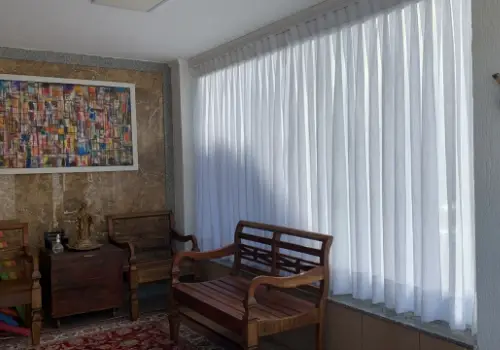
O Rio de Janeiro é uma cidade que combina beleza natural com um estilo de vida sofisticado. Para quem busca harmonizar a decoração de ambientes residenciais ou comerciais, as cortinas sob medida são uma excelente opção, oferecendo funcionalidade, privacidade e um toque de elegância.
Neste artigo, vamos explorar os benefícios das cortinas personalizadas, os tecidos mais utilizados, os tipos de cortinas disponíveis e como escolher a melhor opção para o seu espaço no RJ.
1. Por Que Escolher Cortinas Sob Medida?
As cortinas feitas sob medida garantem um encaixe perfeito em janelas, portas e varandas, proporcionando:
✅ Ajuste preciso – Evita sobras de tecido ou cortinas que não fecham corretamente.
✅ Personalização total – Escolha de cores, tecidos, modelos e detalhes como babados, bandôs e apliques.
✅ Controle de luminosidade – Opções que variam entre cortinas blackout (totalmente opacas) até tecidos leves e translúcidos.
✅ Isolamento térmico e acústico – Alguns materiais ajudam a manter a temperatura ambiente e reduzem ruídos externos.
✅ Valorização do imóvel – Um acabamento personalizado eleva o padrão do ambiente.
2. Tipos de Cortinas Mais Procurados no RJ
A. Cortinas Tradicionais (de Varão)
Ideais para salas, quartos e varandas.
Podem ser em tecidos leves (voil, linho) ou mais encorpados (jacquard, veludo).
Permitem diferentes tipos de acabamento, como franzidas ou painel.
B. Persianas e Cortinas Roller
Práticas e modernas, muito usadas em escritórios e cozinhas.
Roller Blackout – Excelente para quartos, pois bloqueia totalmente a luz.
Persianas de tecido – Oferecem um visual clean e são fáceis de limpar.
C. Cortinas Romana
Elegantes e sofisticadas, formam dobras horizontais quando levantadas.
Perfeitas para ambientes clássicos ou contemporâneos.
D. Painéis Japoneses
Minimalistas e versáteis, deslizam suavemente em trilhos.
Ótima opção para divisórias em ambientes comerciais ou salas amplas.
E. Bandôs e Toldos
Bandôs – Cortinas apenas decorativas, usadas sobre outras cortinas.
Toldos – Protegem contra o sol e são muito usados em varandas e sacadas.
4. Como Escolher a Cortina Ideal para o Seu Espaço?
🔹 Para Residências:
Quartos: Prefira cortinas blackout para garantir um sono tranquilo.
Sala de estar: Tecidos leves como voil ou linho trazem elegância.
Cozinha:Persianas roller ou painéis japoneses são fáceis de limpar.
🔹 Para Escritórios e Comércios:
Salas de reunião:Cortinas romana ou bandôs transmitem profissionalismo.
Lojas e vitrines:Persianas blackout ajudam no controle de luminosidade.
5. Onde Encontrar Cortinas Sob Medida no RJ?
No Rio de Janeiro, diversas lojas especializadas oferecem cortinas personalizadas com instalação profissional. Algumas das mais conhecidas são:
🏢 Decora Cortinas – Atendimento em toda a Zona Sul e Barra.
🏢 Casa das Cortinas – Grande variedade de tecidos e modelos.
🏢 Rio Cortinas – Foco em cortinas blackout e persianas motorizadas.
Muitas empresas também fazem orçamento online e enviam amostras de tecidos para sua casa.
6. Cuidados e Manutenção
Limpeza regular – Use aspirador de pó ou pano úmido para evitar acúmulo de poeira.
Lavagem profissional – Alguns tecidos exigem lavagem a seco para não encolher.
Evite umidade excessiva – Principalmente em cortinas de tecidos naturais.
Conclusão
Investir em cortinas sob medida no Rio de Janeiro é a melhor maneira de unir funcionalidade e estilo em qualquer ambiente. Seja para um apartamento na Zona Sul, uma casa na Barra ou um escritório no Centro, as opções personalizadas garantem conforto, privacidade e sofisticação.
📌 Dica final: Sempre peça um projeto personalizado antes de fechar o pedido, garantindo que as medidas e o tecido escolhido se adaptem perfeitamente ao seu espaço.
Gostou do artigo? Compartilhe e deixe seu comentário!
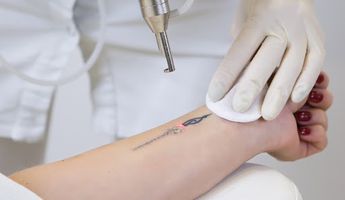
Conheça um pouco mais sobre detalhes de como funciona a remoção da tatuagem a laser no RJ.
Há uma grande variedade de fatores que fazem da remoção da tatuagem a laser o método mais seguro e eficaz para remover essa tinta indesejada. Aqui está tudo que você precisa saber sobre o processo de remoção da tatuagem.
Por que tatuagens são permanentes?
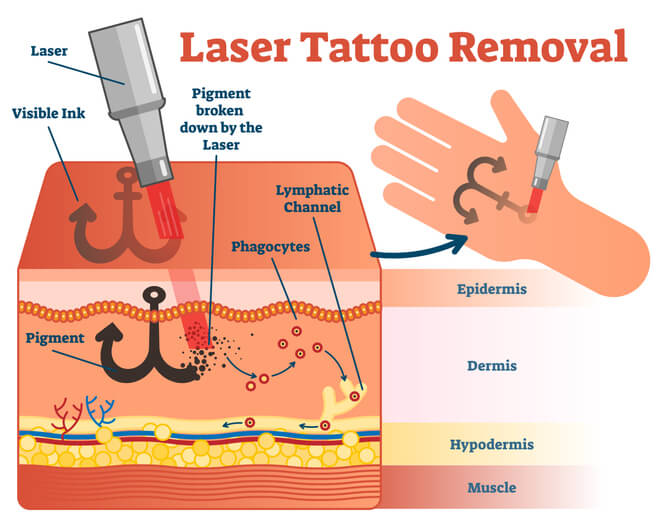
O processo de tatuagem deposita tinta na dermes, que é a camada interna da pele. O depósito de partículas de tinta nesta camada garante que elas não sejam absorvidas no tecido subcutâneo abaixo ou lixiviadas da pele à medida que a epiderme se regenera naturalmente.
Quando a tinta é depositada na derme, o sistema imunológico do corpo reage a ela da mesma forma que reage a qualquer outro corpo estranho — glóbulos brancos tentam absorver e eliminar o corpo estranho.
Com o tempo, os glóbulos brancos comem as partículas de tinta menores, mas a maioria ainda é muito grande para os glóbulos brancos se agarrarem e removerem da pele. Como as partículas de tinta são muito grandes para os glóbulos brancos absorverem, as células da pele se curam ao redor das partículas e a tinta se torna permanente.
Como os lasers removem tatuagens?
Os lasers trabalham para remover tatuagens, quebrando as partículas de tinta maiores em pedaços pequenos o suficiente para os glóbulos brancos absorvê-las. Para quebrar uma partícula de tinta, você precisa aquecê-la para fazê-la expandir devido à expansão térmica, mas o zap tem que ser rápido o suficiente para que metade da partícula permaneça fria. As forças frias e quentes opostas, em seguida, separam as partículas de tinta em pedaços menores.
Uma vez que os lasers quebram as partículas de tinta em pedaços pequenos o suficiente, os glóbulos brancos podem absorvê-las para transporte para o fígado e eliminação.
Máquinas de remoção de tatuagem a laser
Os lasers de remoção de tatuagens operam em uma frequência muito estreita e são muito, muito rápidos. Esta velocidade e calor são cruciais para quebrar as partículas de tinta de forma eficiente e uniforme.
Na EradiTatt, usamos um laser PiQo4, que usa quatro comprimentos de onda para quebrar várias cores e composições de partículas de tinta usadas em várias tatuagens. Esses comprimentos de onda adicionais ajudam a aumentar as cores de tinta que podem ser removidas com sucesso.
Que tatuagens podem ser removidas?
As modernas formas de remoção de tatuagens RJ a laser são eficazes na remoção da maioria das tatuagens, mas nem todas as tatuagens podem ser removidas completamente. Fatores como cor, localização, densidade da tinta e idade podem impactar o sucesso geral do processo de remoção da tatuagem.
Tatuagens mais antigas são tipicamente os melhores candidatos à remoção, já que as partículas de tinta enfraquecem com o tempo e são mais fáceis de quebrar. A tinta preta é tipicamente mais fácil de remover, pois absorve a luz mais do que outras cores.
O tipo de pele também é um fator ao realizar a remoção da tatuagem a laser. Como os tipos de pele mais escuras têm mais melanina, certas cores de tinta não são capazes de ser alvo. Tinta preta é segura para tratar em todos os tipos de pele; no entanto, deve-se tomar precauções extras com aqueles com mais pigmento na pele para evitar possíveis danos à pele.
Na EradiTatt, consideramos todos esses fatores ao desenvolver seu plano de tratamento individual. Temos grandes taxas de sucesso de remoção completa em uma variedade de tons de pele, idades e locais de tatuagem. Veja nossa galeria de remoção de tatuagens para ver os resultados que outros pacientes experimentaram.
O que esperar em sua sessão de remoção de tatuagem a laser
Antes de sua sessão inicial, você terá uma consulta para determinar se sua tatuagem é uma boa candidata à remoção discutiremos expectativas realistas e possíveis resultados. O tempo aproximado do tratamento, o espaçamento entre as sessões, o pós-atendimento da área tratada, e você receberá um número de texto para uma resposta rápida para quaisquer dúvidas ou preocupações ao longo do processo. Esse número pode ser usado à noite, finais de semana ou até feriados.
Quando você entrar para sua primeira sessão, muitas vezes no mesmo dia da sua consulta inicial, vamos mais uma vez cobrir rapidamente tudo o que foi discutido na consulta. A maioria dos tratamentos leva apenas segundos. A área tratada terá Aquaphor aplicado e coberto com um curativo.
A remoção da tatuagem a laser dói?
Ter uma tatuagem removida pode ser bastante doloroso, muitas vezes mais do que fazer uma tatuagem em primeiro lugar. Os lasers aquecem as partículas de tinta a milhares de graus para quebrá-las, mas acontece tão rapidamente e em uma área concentrada que a energia entra em colapso em uma onda de choque.
Esta onda de choque vibra através da pele e faz com que a camada superior da pele se levante e pareça branca, ou para “geada”. Embora temporariamente doloroso, esse efeito geralmente dura apenas alguns segundos.
Há maneiras de controlar a dor da remoção da tatuagem a laser. Na EradiTatt, não oferecemos anestesia local ou cremes entorpecentes tópicos (que a maioria acha ineficaz ao tratar tatuagens). Em vez disso, optamos por um sistema de ar fresco, o Cryo 6 Cool Air Device. Este sistema ajuda a minimizar a dor com um fluxo de ar frio de 30°C. O ar de resfriamento também ajuda a minimizar os danos térmicos e trabalhar em direção a um processo de cicatrização suave.
À medida que o local da tatuagem se cura, você pode sentir algum inchaço, ternura e dor menor, semelhante a uma queimadura solar. A remoção adequada da tatuagem a laser pode reduzir o desconforto.
Pós-tratamento de remoção de tatuagem a laser
Quando você fez sua tatuagem, seu artista lhe deu um conjunto específico de instruções para garantir que sua tatuagem se curasse corretamente e parecesse ótima. A remoção da tatuagem a laser tem uma dependência semelhante em um ótimo pós-tratamento para garantir a cura adequada e os resultados ideais.
Após a sessão, certifique-se de manter o local limpo, hidratado e coberto com um curativo estéril.
Métodos alternativos de remoção de tatuagens
Há uma variedade de métodos “naturais” de remoção de tatuagens que afirmam ser melhores alternativas para a remoção da tatuagem a laser. Cada um vem com suas próprias peculiaridades e riscos:
Remoção da tatuagem salina: envolve injetar uma solução salina na dermis para diluir a tinta e incentivá-la a cair. Este método beira a tinta para cima na epiderme para que ele possa slough off. Este método raramente é eficaz e, embora cada sessão seja mais barata, muitas vezes é preciso mais sessões do que laser. A fim de trazer a tinta para a superfície para, esperançosamente, slough off ou ooze para a pele, uma ferida é criada. Depois de criar a mesma ferida na mesma área repetidamente, este é um tremendo risco de danos de pigmentação e cicatrizes.
Dermabrasão: este procedimento é essencialmente esfoliação levada ao seu extremo, através de cascas químicas ou um tampão físico. Este método traz um alto risco de cicatrizes, infecções e irregularidades cutâneas.
Cremes de remoção de tatuagem: estes cremes em casa são destinados a clarear a tinta gradualmente através da aplicação atual. Muitos tentam esconder o fato de que esses cremes são na verdade à base de alvejante, o que pode levar à descoloração da pele, cicatrizes e danos químicos na pele.
Excisão: às vezes usada para tatuagens menores, a excisão está na verdade removendo a parte da pele onde a tatuagem está localizada. Excisão envolve pontos e quase certas cicatrizes.
Métodos alternativos de remoção de tatuagens
Se você precisa de uma tatuagem removida para um novo trabalho ou serviço militar, tenha em mente que a remoção da tatuagem a laser é um processo que leva tempo. São necessárias várias sessões para eliminar completamente a tinta, e pode levar várias sessões antes que as tatuagens mostrem diferença perceptível dependendo da densidade e localização da tinta.
Recomendamos um mínimo de 4 a 8 semanas entre as sessões para permitir que seu corpo descebre tempo para remover as partículas de tinta quebradas de sua sessão. Ao contrário da crença popular, o tamanho das tatuagens tem pouco ou nada a ver com o processo de remoção da tatuagem. Mesmo as tatuagens menores podem levar muito tempo para remover dependendo da profundidade e densidade da tinta.
Escolhendo um especialista em remoção de tatuagem a laser
Experiência, tecnologia, pessoal, honestidade e cuidados individuais são os aspectos mais importantes de qualquer procedimento de remoção de tatuagem. Garantir seu conforto e os melhores resultados possíveis deve ser uma prioridade de qualquer pessoa de sua confiança para conduzir seu procedimento de remoção de tatuagem a laser.
Certifique-se de que sua instalação escolhida tenha funcionários que possam responder a todas as suas perguntas e fazer recomendações individuais para sua tatuagem específica.
Na EradiTatt, acreditamos que seu especialista em remoção de tatuagem a laser deve ser exatamente isso: completamente especializado. Ir a um medspa ou instalação de tratamento de pele pode ser atraente, mas muitas vezes a remoção de tatuagem a laser não é sua especialidade, e você não terá os melhores resultados possíveis.
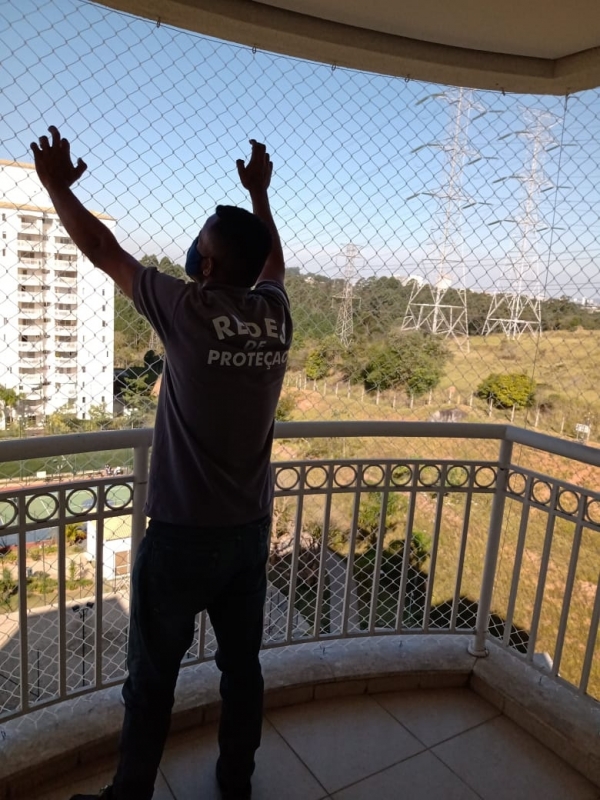
A maioria das pessoas gosta de passar momentos tranquilos dentro das sacadas dos prédios. Também é um fato amplamente conhecido que certamente precisaríamos de segurança na varanda. Nesse ponto, você pode montar uma rede de segurança da varanda.
As sugestões de proteção da varanda são orientadas para a segurança, assim como as ideias de cercas seguras para gatos de estimação no terraço. Naturalmente, sua função de decoração vem em segundo lugar.
Depois disso, certamente irei compartilhar como montar uma rede de proteção e segurança dentro de sua varanda. Para começar pelos aspectos externos, por exemplo, se a sua varanda tiver um local aberto, podem entrar hóspedes indesejados, como pombos, morcegos.
Além disso, se não entrarem, poderão deixar as suas fezes e penas. Eu acredito que certamente será uma provação.
Benefícios das redes de proteção
Desde que você instale uma tela de segurança dentro de sua varanda, você evita que ocorram tais circunstâncias estranhas até certo ponto. Como mais um exemplo, insetos e moscas menores do que a malha podem entrar em seu terraço. Se você borrifar produtos químicos como repelente de moscas na rede, isso será uma solução.
Não é suficiente fornecer algumas dicas sobre segurança de varanda e teias de proteção. Depois disso, qual é a contribuição da rede de segurança para a sua varanda?
Essas redes de proteção são vendidas por metro ou quilo nas lojas. Você deve ter certeza se as redes de proteção e segurança quanta qualidade e também resistência a exposições externas e internas.
Faça o mesmo ponto em ambos os lados e na localização superior. Monte sua tela de proteção. Ajuste os arpões de forma que a teia seja adequada.
Ter uma rede felina evitará que seu gato caia da varanda. Ao proteger o seu terraço com esta rede, pode permitir que o seu gato tenha acesso à sua varanda sem ter que se preocupar.
Garantias
As redes de terraço têm uma garantia de serviço de 60 meses a partir da data de instalação.
O conteúdo das mensagens do fórum de discussão são do membro que postou e não foram revisados nem apoiados por Mensagens postadas por HOATalk ou vários outros membros são apenas para fins informativos, são ilegais ou orientação especializada, bem como não constituem uma conexão advogado-cliente.
Os leitores não devem agir de acordo com essas informações sem buscar aconselhamento profissional.
Instalação especializada
Não aja com base nessas informações sem procurar aconselhamento especializado.
Não envie informações secretas do advogado patrocinador, a menos que você converse com o advogado patrocinador ou com um advogado da empresa do advogado patrocinador e também obtenha permissão para enviar esses detalhes a eles. Se você deseja iniciar uma representação viável, entre em contato com um advogado da empresa do advogado patrocinador.
As redes de proteção no rio de janeiro são desenvolvidas como uma proteção adicional para crianças e adultos contra quedas inesperadas de janelas, varandas ou terraços.
Além disso, pode ser usado em escadas, cercas, barreiras e também em galerias. Além disso, é uma excelente opção para manter os animais de estimação da família dentro e as aves fora.
Jovens maravilhados, corajosos e também, sobretudo, rápidos. Perdê-los também por um momento pode colocá-los em perigo. As estatísticas nos informam que crianças de 1 a 4 anos correm mais risco e que um outono de até 2 metros de altura pode ser mortal.
Venda de telas de proteção
Vendemos uma grande variedade de soluções para redes de varanda, que podem ser usados tanto no interior como no exterior, para salvaguardar as varandas e também como redes anti-pássaros.
Todas as nossas redes são feitas no Reino Unido com os melhores padrões de qualidade e segurança. A salvaguarda do terraço é necessária para áreas que colocam jovens e também adultos em risco de quedas.
Para impedir que os pássaros entrem na sua varanda, recomendamos obter telas de proteção ( https://redes.rio.br ) leves de dissuasão para pássaros. Esta rede vem em 3 tamanhos para proteger contra espécies diferentes.